A Day in the Life of a CURE Nurse
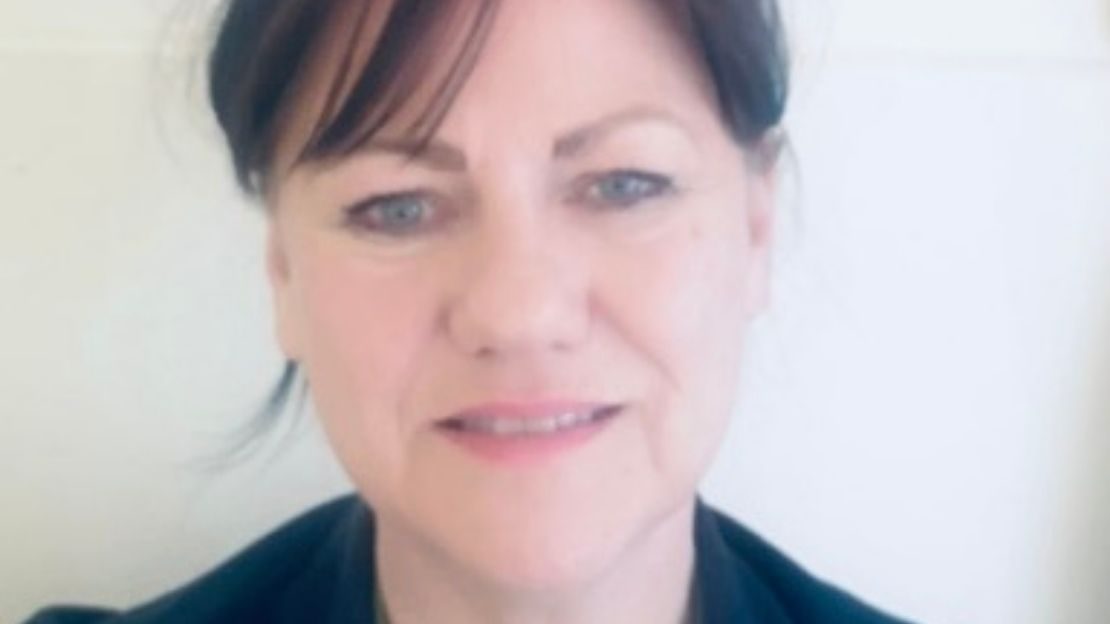
Helen Huddart is a Senior Stop Smoking Nurse, working as part of Wythenshawe Hospital’s onsite stop smoking service, known as CURE.

When someone who smokes is admitted to hospital, Helen encourages them to quit smoking during their stay using a range of tools and behavioural support.
It’s a completely non-judgemental approach. A lot of people don’t understand that smoking is a serious addiction rather than a lifestyle choice. If it was, we wouldn’t have a job to do.
She said: “I’ve been a nurse for 36 years, but I’ve been in this role for six years now. I’m one of the 14 CURE specialist nurses at Wythenshawe Hospital, split into two camps across the site.
“When someone is admitted to hospital, whether it’s planned or not, they’ll be asked if they smoke. Their smoking status will be recorded and patients who smoke will be offered nicotine replacement therapy (NRT) within 24 hours.
“We begin our day checking who has been referred and which patients need to be seen. From there, we will go to visit them as an inpatient, or during their pre-op assessment if it’s a planned visit, to monitor and change their prescription if needed. We also continue to support patients during their time in hospital too.”

Helen is a Senior Stop Smoking Nurse, working as part of the CURE team at Wythenshawe Hospital.
View fullsize image“Our team’s support lasts for as long as the patient is in hospital. We do have some patients who are in for a long time, and they are ex smokers by the time they go home, which is fantastic.
“But once they leave hospital, their local stop smoking service will follow up with them to carry on their treatment for tobacco addiction. This helps them to stay smokefree as they encounter smoking triggers back at home.”
While many smokers will take up the offer of treatment during their hospital stay to help with cravings, there are some who refuse. But Helen and the CURE team will still pay them a visit during their stay to talk about the risks of smoking and the benefits of quitting.
“It’s a completely non-judgemental approach. A lot of people don’t understand that smoking is a serious addiction rather than a lifestyle choice. If it was, we wouldn’t have a job to do.
“When we show that we understand this, the patient visibly relaxes, and they’re more open to listen to what we have to say. Also, because we have more time than the busy doctors and nurses to spend with patients who smoke, we can really delve deep with the patient.”
We understand it’s not just a quick fix. We are there to offer behavioural support and a chance to express how patients are feeling, as a way of managing their cravings.
“Sometimes it’s just half an hour with them, but patients open up so much to us. We understand it’s not just a quick fix. We are there to offer behavioural support and a chance to express how they are feeling, as a way of managing their cravings.
“Some patients are still adamant they don’t want to quit, and they know all the risks. But if you explain that they might not need as much medication if they quit, or they’re less likely to incur any complications that would require a longer hospital stay, they are more open to change.
“Because smoking damages every part of the body, smokers are at an increased risk of complications from anaesthetic and surgery. Quitting smoking can help speed up recovery and reduce the risk of serious complications, such as blood clots or infections. The chemicals in cigarettes can also affect medication and dosages may need to be adjusted once somebody quits smoking.
“I once had a patient in his 70s who said not to waste my time with it. But when he heard me out, he gave nicotine replacement a try. He was so adamant he didn’t want to quit, but he managed to do it and he stayed smokefree. Things like that make it all worthwhile.
“Some people still say no even after that. But sometimes we have planted that seed of thought, getting them to start thinking about quitting smoking, and they may make a quit attempt further down the line.”
Since CURE launched at Wythenshawe Hospital in 2019, the offer of tobacco addiction treatment in hospital has been well-received by patients and their families.
“Patients are surprised to be offered this treatment in hospitals. They’re also surprised that we can offer two weeks of treatment there and then for free. This free support continues through to the community stop smoking services, taking the cost of nicotine replacement out of the process and removing one less barrier to quit.
“It’s also the fact that we don’t just abandon patients when they go home. Before they leave, we’ll give them our number, in addition to being referred to their local stop smoking service.
“Both patients and relatives have said that this service should be available in more areas. It should be second nature to ask about smoking when you meet a patient, not an afterthought.
“It’s very rewarding work. It’s such a good feeling when you have gone to someone, and in the first place they’re adamant, then they eventually come around to trying it, and then hearing after a few weeks that they have stopped altogether. It’s a wonderful feeling, celebrating that with them.”